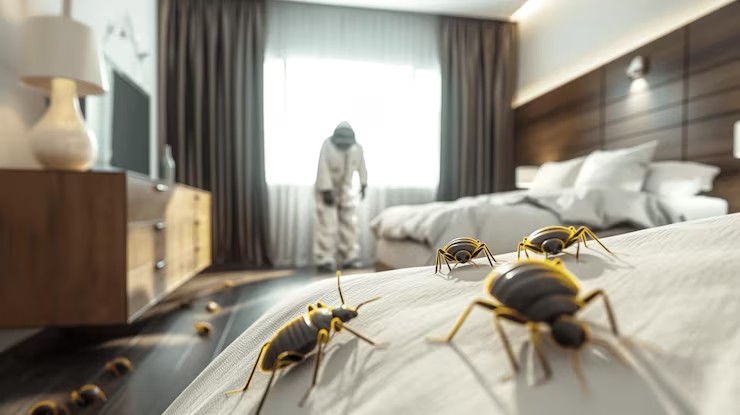
Bed bugs are among the most frustrating household pests, affecting homes, hotels, and apartment buildings around the world. These tiny insects can cause discomfort, disrupt sleep, and create anxiety for those dealing with an infestation. Because they hide well and reproduce quickly, eliminating them often requires a combination of professional inspection, treatment, and prevention.
This article explains what bed bugs are, how infestations develop, and the most effective approaches to elimination. It also highlights why professional bed bug treatment services are often necessary to resolve the problem fully.
What Are Bed Bugs?
Bed bugs are small, reddish-brown parasitic insects that feed on human blood. Adult bed bugs are typically about the size of an apple seed and have flat, oval bodies that allow them to hide in tiny cracks and crevices.
These pests are most active at night and usually feed while people are sleeping. During feeding, they pierce the skin and draw blood for several minutes before returning to their hiding places.
Although bed bug bites can cause itching and irritation, they are not known to transmit diseases. However, infestations can lead to stress, anxiety, and sleep disturbances.
Bed bugs commonly hide in locations such as:
- Mattresses and box springs
- Bed frames and headboards
- Upholstered furniture
- Baseboards and wall cracks
- Behind electrical outlets or picture frames
Because they are small and elusive, infestations may go unnoticed until populations grow larger.
How Bed Bug Infestations Begin
Bed bugs spread primarily through human activity. They often travel with luggage, clothing, furniture, or personal belongings. Once inside a building, they quickly seek hiding spots near sleeping areas.
Travel and second-hand furniture are among the most common ways bed bugs enter homes. When people stay in hotels or shared spaces, the insects can attach themselves to luggage or clothing and later transfer to new environments.
Another factor contributing to the spread of bed bugs is their ability to survive long periods without feeding. Adults can live for months without a blood meal, making them particularly resilient pests.
In multi-unit housing such as apartment buildings, bed bugs may also travel between rooms through walls, electrical outlets, or plumbing spaces. Because infestations can grow quickly and be difficult to eliminate, professional bed bug treatment is often recommended to ensure complete eradication.
Signs of a Bed Bug Infestation
Detecting bed bugs early can help prevent larger infestations. Common signs include:
- Bite marks: Small, itchy welts on exposed skin, often appearing in clusters or lines.
- Blood spots: Small rust-colored stains on bedding or mattresses.
- Fecal marks: Dark specks resembling ink spots near hiding areas.
- Eggs or shed skins: Tiny white eggs or translucent shells left behind as bugs grow.
- Visible insects: Live bed bugs hiding in mattress seams or furniture cracks.
Bed bugs can also hide in places far from the bed, including sofas, chairs, and wall crevices.
Because infestations often begin with only a few insects, professional inspection may be necessary to confirm their presence.
Why Bed Bugs Are Difficult to Eliminate
Bed bugs are considered one of the hardest pests to control. Several characteristics contribute to this challenge:
1. Hidden Habits
Bed bugs hide in extremely small spaces during the day, making them difficult to locate.
2. Rapid Reproduction
Female bed bugs can lay hundreds of eggs during their lifetime, allowing populations to grow quickly.
3. Resistance to Some Chemicals
Many bed bug populations have developed resistance to common pesticides, reducing the effectiveness of some over-the-counter products.
4. Mobility
Bed bugs can move between rooms or apartments through cracks and shared walls.
Because of these factors, pest control professionals often recommend comprehensive treatment methods rather than simple DIY solutions.
Common Methods Used for Bed Bug Control
Professional pest control companies use several techniques to eliminate bed bugs. These methods are often combined for maximum effectiveness.
Inspection
The first step is a thorough inspection of the property. Pest control specialists examine mattresses, furniture, and structural areas where bed bugs may hide.
In some cases, specially trained detection dogs are used to locate bed bugs quickly by scent.
This inspection helps determine the severity of the infestation and identify the most appropriate treatment plan.
Chemical Treatments
One of the most common approaches is targeted insecticide application. Pest control technicians treat areas where bed bugs are likely to hide, including:
- Mattresses and box springs
- Bed frames and furniture
- Baseboards and wall cracks
- Electrical outlets and surrounding areas
These treatments aim to kill active insects and leave residual protection against newly hatched bugs.
However, chemical treatments often require multiple visits because eggs may hatch after the initial application.
Heat Treatments
Heat treatment is another effective method used by pest control professionals. This process involves raising the temperature of the infested space to levels that are lethal to bed bugs and their eggs.
High heat dehydrates bed bugs and disrupts their biological processes, causing them to die.
Heat treatments can eliminate large infestations in a single day, though preparation and professional equipment are necessary.
Steam and Vacuuming
Steam cleaning and vacuuming are sometimes used as supplementary measures. Steam can kill bed bugs on contact when applied to furniture, mattresses, and cracks.
Vacuuming removes live insects, eggs, and debris from infested areas. However, it is generally not sufficient on its own and must be combined with other treatments.
Preparation Before Treatment
Before professional pest control services begin, homeowners often need to prepare the property. This may include:
- Washing bedding and clothing in hot water
- Sealing items in plastic bags
- Removing clutter from floors and furniture
- Vacuuming affected areas
These steps help expose hiding places and improve treatment effectiveness.
Proper preparation is essential because untreated areas may allow bed bugs to survive and reinfest the property.
Preventing Bed Bug Infestations
While treatment is possible, prevention remains the best strategy for avoiding bed bug problems.
Travel Precautions
When staying in hotels or rental accommodations:
- Inspect the mattress and headboard for signs of bed bugs
- Keep luggage elevated on racks rather than the floor
- Wash clothes immediately after returning home
Care With Second-Hand Items
Used furniture or clothing should be inspected carefully before bringing it indoors. Upholstered items are particularly likely to harbor hidden pests.
Reduce Clutter
Clutter creates hiding spots for bed bugs, making infestations harder to detect and treat.
Regular Inspection
Routine checks of mattresses and furniture can help identify problems early.
The Importance of Professional Bed Bug Treatment
Although many people attempt do-it-yourself pest control, bed bug infestations often require professional expertise.
Experts emphasize that effective control usually begins with a thorough inspection followed by a customized treatment plan tailored to the severity of the infestation.
Professional pest control companies use specialized tools, training, and approved treatments that are not typically available to the general public.
Attempting to manage bed bugs without proper methods may allow the insects to spread to other areas of the home or building.
For this reason, many homeowners turn to dedicated services that specialize in bed bug treatment to ensure the infestation is fully eliminated.
Long-Term Management and Follow-Up
Even after treatment, ongoing monitoring is important. Pest control professionals often recommend follow-up inspections to confirm that the infestation has been eliminated.
This process may include:
- Monitoring traps
- Additional treatment if necessary
- Continued cleaning and prevention measures
Consistent follow-up reduces the risk of reinfestation and helps maintain a pest-free environment.
Conclusion
Bed bugs remain one of the most persistent and challenging household pests. Their ability to hide in small spaces, reproduce quickly, and survive long periods without feeding makes them difficult to eliminate without professional help.
Understanding how infestations develop, recognizing the signs early, and using appropriate treatment methods are essential steps toward resolving the problem. Professional pest control services play a crucial role in inspecting affected areas, applying targeted treatments, and ensuring long-term prevention.
For homeowners and property managers dealing with these pests, seeking expert bed bug treatment can provide an effective and reliable solution to restore comfort and peace of mind.